Greener Henley
  • Search
  • Icon menu canvas
Greener Henley
  • Areas of action
    • NEW! Pledge for the Planet
    • Car Club
    • Clean Air for Henley
    • Education & Schools
    • GH Wildlife group
    • Protect Our River
    • Nature Squared
  • News & Events
    • Events Calendar
    • Great Big Green Week
    • News & Stories
    • Green Screen
    • Big Green Conversation
    • Going Green
  • Get involved
    • Take Action
    • Join Us
    • Become a Friend of Greener Henley
    • Newsletter
  • About Us
  • Contact
  • Search

Blinded by the Light: why we need to switch off for wildlife

admin
February 26, 2024
environment, News
moths fly around a lightbulb at night

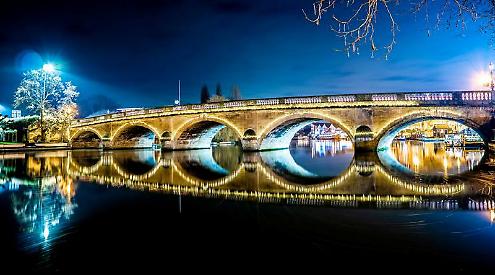
It is widely understood that insects are vital for nature, but less well known is that artificial light at night can do them great harm. This is why Greener Henley is opposing plans to illuminate our historic bridge at night and asking everyone to help support our nocturnal wildlife in performing its vital role in our ecosystems.
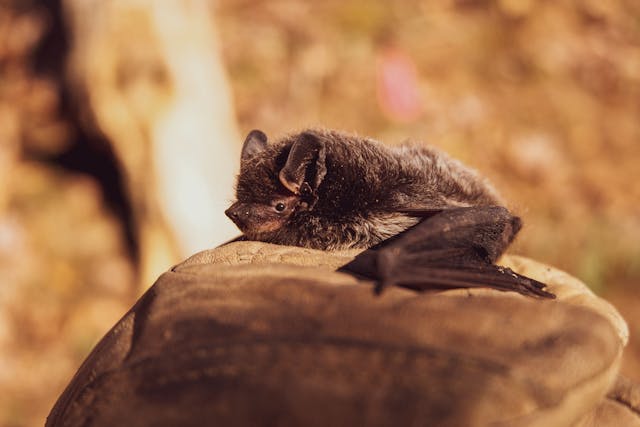
bat sitting on a rock

And it’s not just insects that are affected; as well-known local naturalist Professor Richard Fortey (1) points out, bats “need the insects along the river to survive and the lights will impact negatively on this – particularly moths, which are the main food for bats.” Bats fly along the river corridor at night hunting their food, as do our endangered swifts looking for mayfly in the early summer. Twinkly lights may look pretty to us, but there is a lot of evidence that artificial light at night (ALAN) is negatively impacting biodiversity. As the charity Buglife states, “everyone is familiar with insects flying around a light at night. But unfortunately, this attraction to light can have fatal consequences for the insects involved. Exhaustion, increased predation, and a disrupted ability to navigate are just some of the reasons why up to a third of insects attracted to lights die” (2).

“Given our increasing understanding of the biodiversity harm of artificial light, we should be looking to only use light when and where it is needed for safety reasons, not simply for architectural lighting,”

Dr Chris Foster, landscape ecologist and insect specialist at the University of Reading.
What did insects ever do for us?

It is certainly in our interest to keep things dark for insects. They pollinate our crops, improve our soils, help clean our waterways, control pests, and provide food for other species in the food chain. We have lost some 60% of flying insects in the last 20 years (3). A 2019  global scientific review (4) has found that the number of insect species worldwide decreases by nearly 3% each year, with over 40% threatened with extinction . If this trend continues, one hundred years from now there may be barely any at all, leaving the Earth’s ecosystem in great peril. If we lose many more of these insects, we will also lose the species that rely on them for food and the plants they would have pollinated – and that pollination includes food for humans. As Sir David Attenborough has said: “If we were to wipe out insects alone on this planet, the rest of life and humanity with it would mostly disappear from land within a few months”. In short, we need them!

The wider reach of artificial light at night

It’s not just moths, bats and bugs of course. All living things are affected by the surplus artificial light at night: dung beetles use the milky way to navigate, glow worms find each other to mate, the fish in the river need darkness to breed and regulate their own circadian rhythm, birds don’t roost in the light, and plants are not pollinated in shorter periods of darkness. Artificial lighting has even been linked with trees bursting their buds more than a week earlier — a magnitude similar to that predicted for 2°C of global warming (5).

Indeed all life on earth has as its most basic clock the rising and setting of the sun and moon, and artificial light at night interferes with this essential balance. The humble human is not exempt. Evidence suggests that light exposure at the wrong time has profound impacts on human circadian rhythm, affecting our physical and mental functions (6).

A simple solution

It is clear to see that we need less light pollution, not more. Whilst data on the effects of artificial light at night do present a worrying picture, there is – for once – a simple, immediate solution to the problem. Unlike most types of pollution, artificial light at night can be eliminated, quite literally, with the flick of a switch! Once a light has been turned off, that pollution no longer exists.

By switching off unnecessary lights, pulling the curtains and blinds and not adding any more light at night, we can work together to support nocturnal wildlife. Let’s embrace the dark skies that we, and all life, are meant to experience at night time and switch off for wildlife, leaving Nature to thrive.

Readers can find out more about the topic of light pollution by reading “The Darkness Manifesto: Why the world needs the night” by Johan Eklöf.

References

  1. Richard Fortey OBE FRS FRSL British palaeontologist, natural historian, writer and television presenter.
  2. https://www.buglife.org.uk/campaigns/light-pollution/
  3. https://cdn.buglife.org.uk/2022/05/Bugs-Matter-2021-National-Report.pdf
  4. https://www.sciencedirect.com/science/article/abs/pii/S0006320718313636
  5. https://www.buglife.org.uk/campaigns/light-pollution/light-pollution-impacts-beyond-invertebrates/
  6. https://www.buglife.org.uk/campaigns/light-pollution/light-pollution-society-and-human-health/

END

Tags: biodiversity light pollution nature
Previous Story
GOING GREEN – February 2024
Next Story
GOING GREEN – March 2024

Related Articles

A bumblebee on some flowers

Growing Our Nature Squared Initiative Tenfold By 2030!

Growing Our Nature Squared Initiative Tenfold By 2030! We are...

Children from Sonning Common Primary School proudly displaying their Gold

First Schools Receive Greener Henley’s Climate and Nature Awards

First Schools Receive Greener Henley’s Climate and Nature Awards Twelve...

Recent Posts

  • GOING GREEN – May 2026
  • GOING GREEN – April 2026
  • Henley Businesses Step Up on Climate Resilience at Groundbreaking Greener Henley Event
  • Growing Our Nature Squared Initiative Tenfold By 2030!
  • GOING GREEN – March 2026

Recent Comments

  • Julia Samyui-Adams on Free Garden Trees for residents of Henley and local villages in 2022
  • Pip deacon on Free Garden Trees for residents of Henley and local villages in 2022

Archives

  • May 2026
  • April 2026
  • March 2026
  • February 2026
  • January 2026
  • December 2025
  • November 2025
  • October 2025
  • September 2025
  • August 2025
  • June 2025
  • May 2025
  • April 2025
  • March 2025
  • February 2025
  • January 2025
  • December 2024
  • November 2024
  • October 2024
  • September 2024
  • August 2024
  • July 2024
  • June 2024
  • May 2024
  • April 2024
  • March 2024
  • February 2024
  • January 2024
  • December 2023
  • November 2023
  • October 2023
  • September 2023
  • August 2023
  • July 2023
  • March 2023
  • February 2023
  • January 2023
  • November 2022
  • October 2022
  • September 2022
  • August 2022
  • July 2022
  • March 2022
  • January 2022
  • November 2021
  • October 2021
  • January 2020

Categories

  • Action area
  • community
  • conversation
  • energy
  • environment
  • Going Green
  • local business
  • News
  • Partners
  • schools and youth
  • tier one category
  • transport
  • Uncategorized

Meta

  • Log in
  • Entries feed
  • Comments feed
  • WordPress.org

Get in Touch

03-0134024567-1
support@domain.com
Street 21 York E Block 2101 France USA
Copyright ©2026 Bearsthemes. All Rights Reserved
Please enable JavaScript in your browser to complete this form.
We may use this to contact you with further information about your pledge.
We will never give your email address to any 3rd parties.
Are you a business or organisation?
We're inviting local businesses, schools, sports clubs, churches and community organisations to adopt a pledge. Find out why
The first part of your postcode helps us understand which areas pledges are coming from
Join the community
By subscribing, I agree to the Privacy Policy and understand that I can unsubscribe at any time.
Loading

Please enable JavaScript in your browser to complete this form.
We may use this to contact you with further information about your pledge.
We will never give your email address to any 3rd parties.
Are you a business or organisation?
We're inviting local businesses, schools, sports clubs, churches and community organisations to adopt a pledge. Find out why
The first part of your postcode helps us understand which areas pledges are coming from
Join the community
By subscribing, I agree to the Privacy Policy and understand that I can unsubscribe at any time.
Loading

Please enable JavaScript in your browser to complete this form.
We may use this to contact you with further information about your pledge.
We will never give your email address to any 3rd parties.
Are you a business or organisation?
We're inviting local businesses, schools, sports clubs, churches and community organisations to adopt a pledge. Find out why
The first part of your postcode helps us understand which areas pledges are coming from
Join the community
By subscribing, I agree to the Privacy Policy and understand that I can unsubscribe at any time.
Loading

Please enable JavaScript in your browser to complete this form.
We may use this to contact you with further information about your pledge.
We will never give your email address to any 3rd parties.
The first part of your postcode helps us understand which areas pledges are coming from
Join the community
By subscribing, I agree to the Privacy Policy and understand that I can unsubscribe at any time.
Loading